

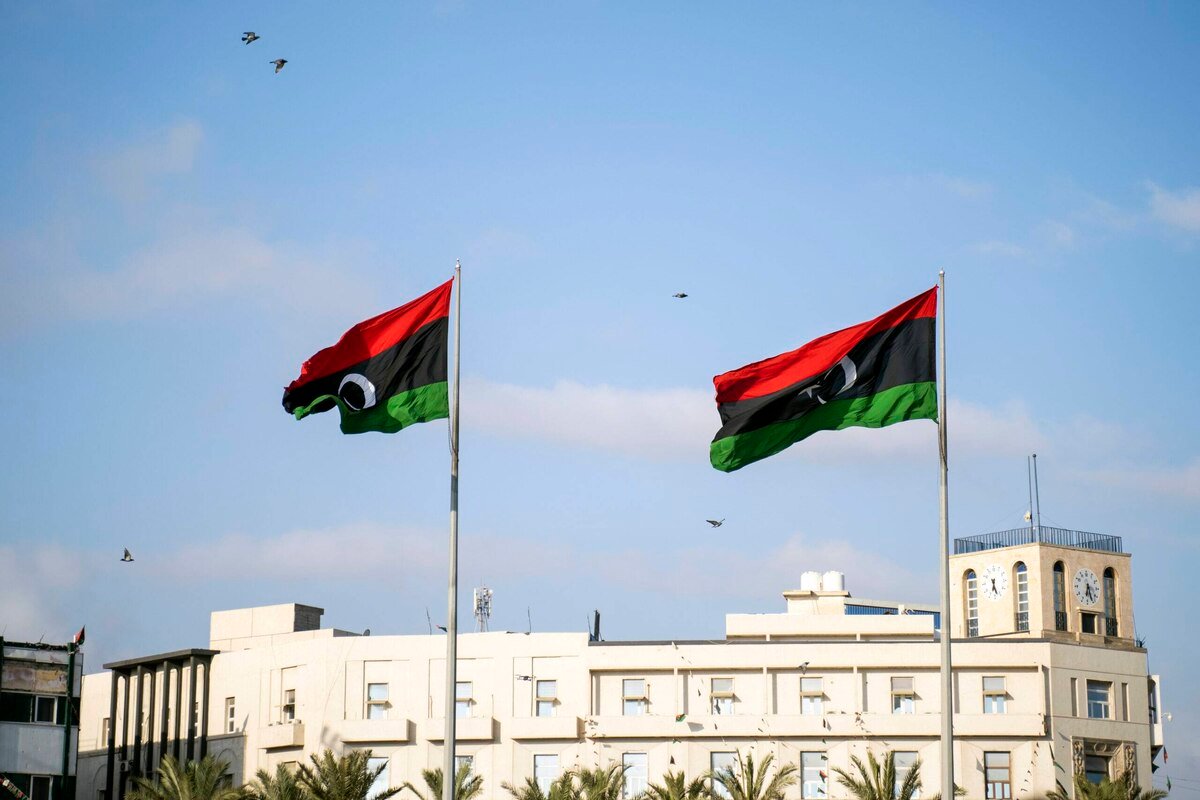
![Two Libyan flags at Martyrs square in Tripoli, Libya [Getty]](https://www.middleeastmonitor.com/wp-content/uploads/2025/11/photo_2024-05-16_11-38-37-1.jpg)
On 9 December, Libya’s Tripoli-based Government of National Unity marked International Anti-Corruption Day with a carefully staged event that leaned more toward celebration than self-examination. At a high-profile ceremony attended by Prime Minister Abdel Hamid Dbeibah and senior officials, institutions presented a series of initiatives framed as steps toward greater transparency and accountability. Among them was the unveiling by the Administrative Control Authority of a new digital platform, Raqib, introduced as a tool for monitoring government performance and receiving corruption complaints. The display of reformist intent, however, stood in sharp contrast to Libya’s entrenched reality, where corruption remains systemic and public trust in oversight bodies is steadily eroding. The optics were familiar. Libya today has no shortage of institutions tasked […]
