

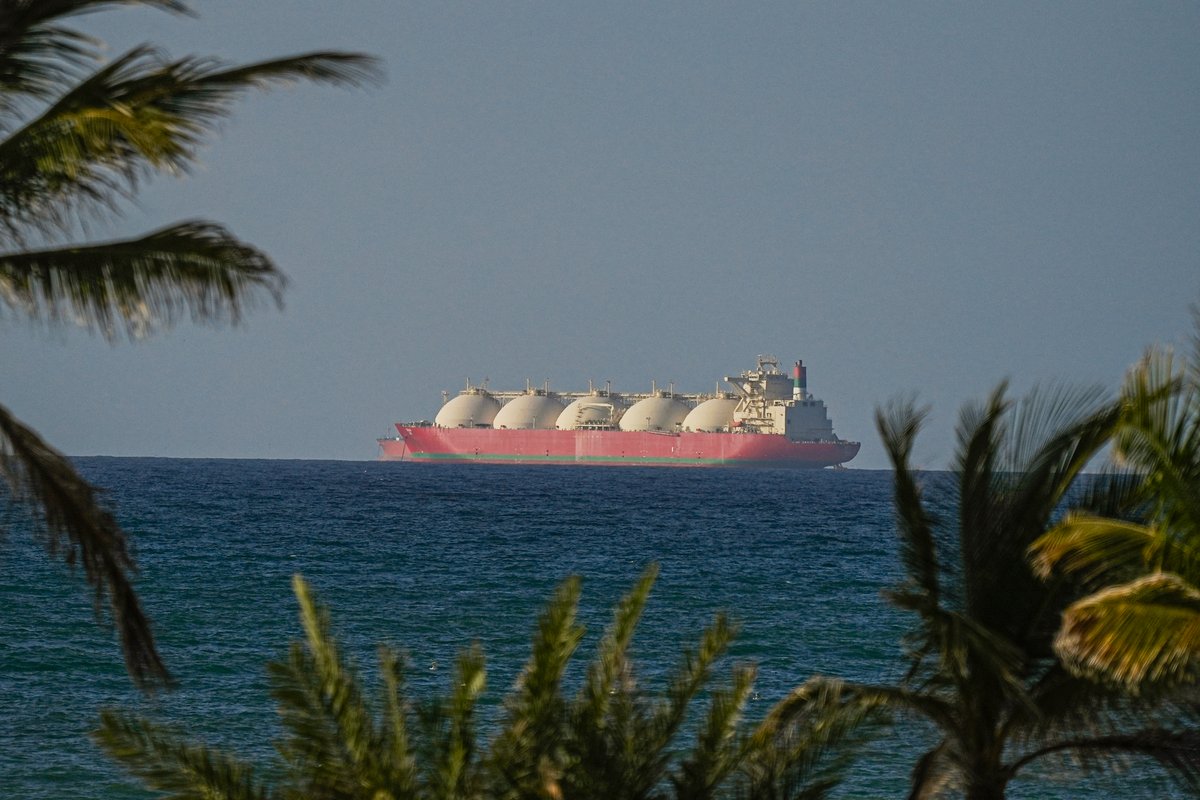
![A view of the vessels passing through Strait of Hormuz following the two-week temporary ceasefire reached between the United States and Iran on the condition that the strait be reopened, seen in Oman on April 08, 2026. [Shady Alassar - Anadolu Agency]](https://www.middleeastmonitor.com/wp-content/uploads/2026/04/AA-20260408-41051776-41051764-VESSELS_PASS_THROUGH_STRAIT_OF_HORMUZ_FOLLOWING_USIRAN_CEASEFIRE-1.jpg)
Energy in the Middle East is once again being shaped not only by markets, but by war. As direct confrontation between Iran, the United States and Israel enters a new phase, the implications are no longer confined to the battlefield. Instead, they are unfolding across global energy markets, shipping routes and supply chains, creating a ripple effect that extends far beyond the region. At the center of this unfolding dynamic lies the Strait of Hormuz — one of the world’s most critical energy chokepoints. A significant share of global oil flows through this narrow passage, making it not just a geographic corridor, but a strategic variable in times of conflict. Even limited disruption in this route would trigger immediate consequences: […]
