

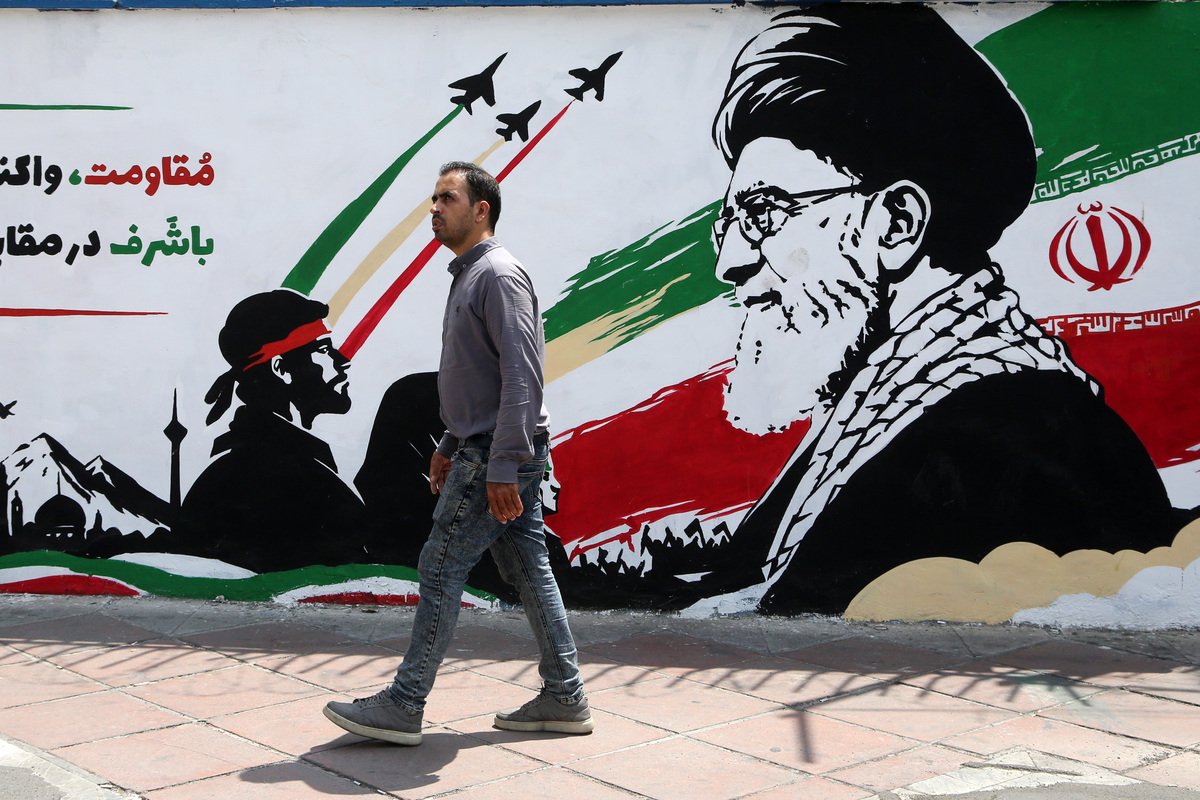
![A man walks in front of a wall mural as daily life continues amid ongoing tensions between the United States in Tehran, Iran, on August 6, 2026. [Fatemeh Bahrami - Anadolu Agency]](https://www.middleeastmonitor.com/wp-content/uploads/2026/08/AA-20260806-42153783-42153779-DAILY_LIFE_IN_TEHRAN_AMID_USIRAN_TENSIONS-1-1.jpg)
There is a recurring tendency among Western analysts to interpret Iran’s political transformations through categories imported from the European experience. The idea that the Islamic Republic is entering a “Third Republic”, for example, suggests a rupture akin to the successive French republics. More problematically, this framing reinforces an Orientalist interpretation of an almost dynastic succession of power in Iran. It may be more appropriate to understand the current moment not as the birth of another Republic, but as a third historical phase of the same political project that began in 1979. The first phase was marked by the Islamic Revolution, the war imposed by Iraq and the construction of a new institutional architecture based on Wilayat al-Faqih, the governance of […]
