


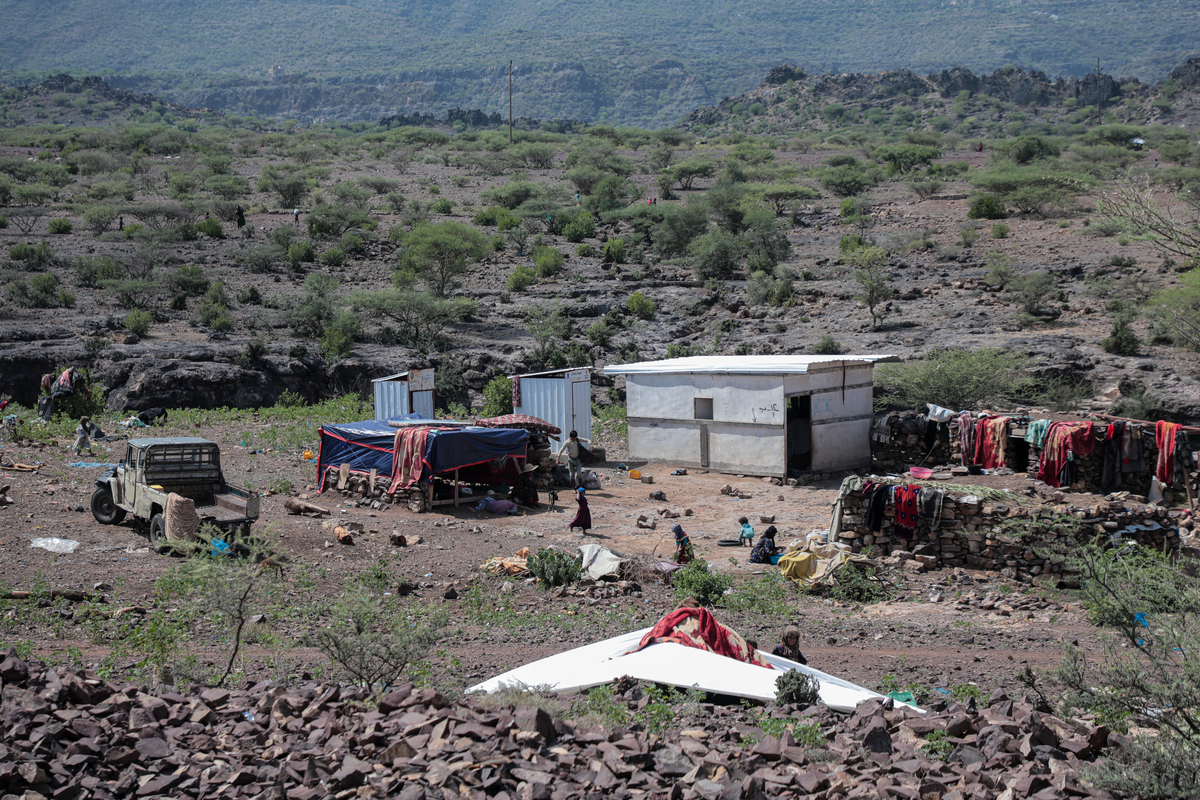
The Yemeni crisis is no longer simply a war between two sides, nor merely a political dispute that can be resolved through the signing of a temporary agreement. More than a decade of conflict has left behind a fragmented state, a devastated economy, weakened institutions, and a society bearing the heavy cost of a conflict that ordinary citizens can no longer endure. Today, as military risks re-emerge and the possibility of escalation grows, the question becomes increasingly urgent: How can Yemen move from a country governed by the language of weapons to one governed by the language of the state? The United Nations has warned in September 2026 of the risk of a return to widespread fighting and has called […]
