

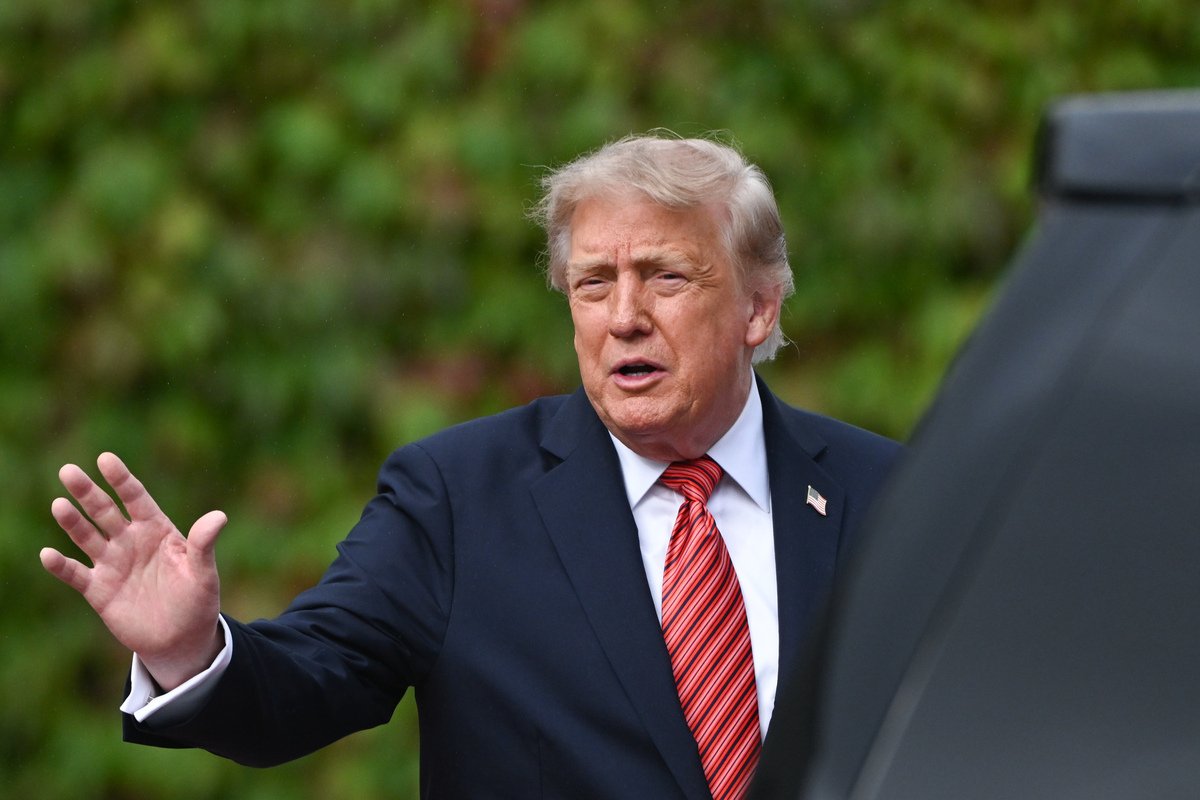
On Saturday, 26 September, US President Donald Trump announced that he had rejected Iran’s proposal to reopen the Strait of Hormuz and bring hostilities to an end. Within hours, Iranian Foreign Minister Abbas Araghchi said that the intermediaries carrying messages between the two governments had conveyed no such rejection to Tehran. Washington has not stated what, if anything, is to replace the proposal it claims to have declined. Seven months into the closure of the strait, the operative US policy therefore amounts to a public “no”, an unconfirmed private channel and no timetable. Each of those elements carries a measurable cost. None of it is being paid in Washington. The stakes are quantifiable. In the first half of 2025, roughly […]
