


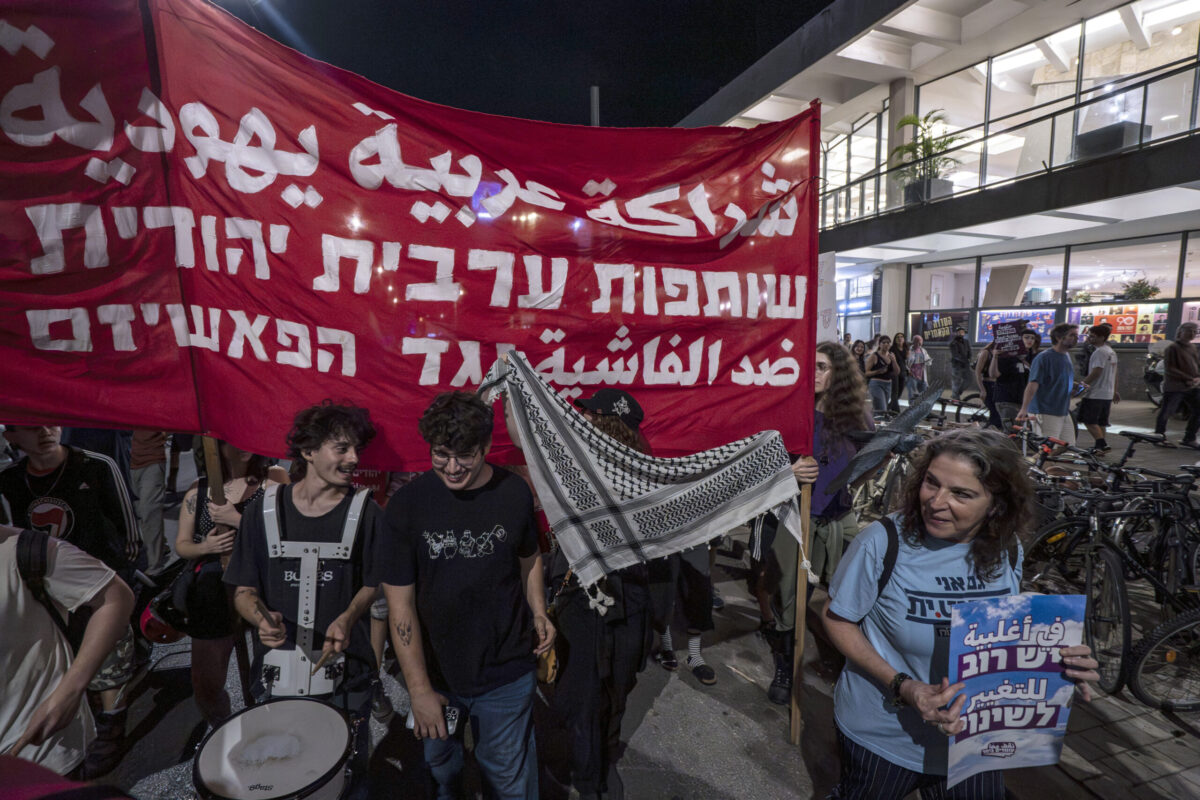
The results of Israel’s 27th October elections were welcomed by Palestinian Arab communities in Israel and millions of Palestinians worldwide. Neither Israeli Prime Minister Benjamin Netanyahu’s right-wing bloc nor that of his rival, former military chief Gadi Eisenkot, secured the 61 seats required to form a government. This made the 19 seats won by Arab parties all the more consequential. In a political system structured to marginalise its Arab minority, the electoral achievement of the Joint List and Ra’am cannot be overstated. Through their relative unity and an extraordinary convergence of political circumstances, Palestinian voters have seemingly managed to beat the system at its own game. The achievement came despite fearmongering and outright racist rhetoric by mainstream Jewish political parties, […]
