



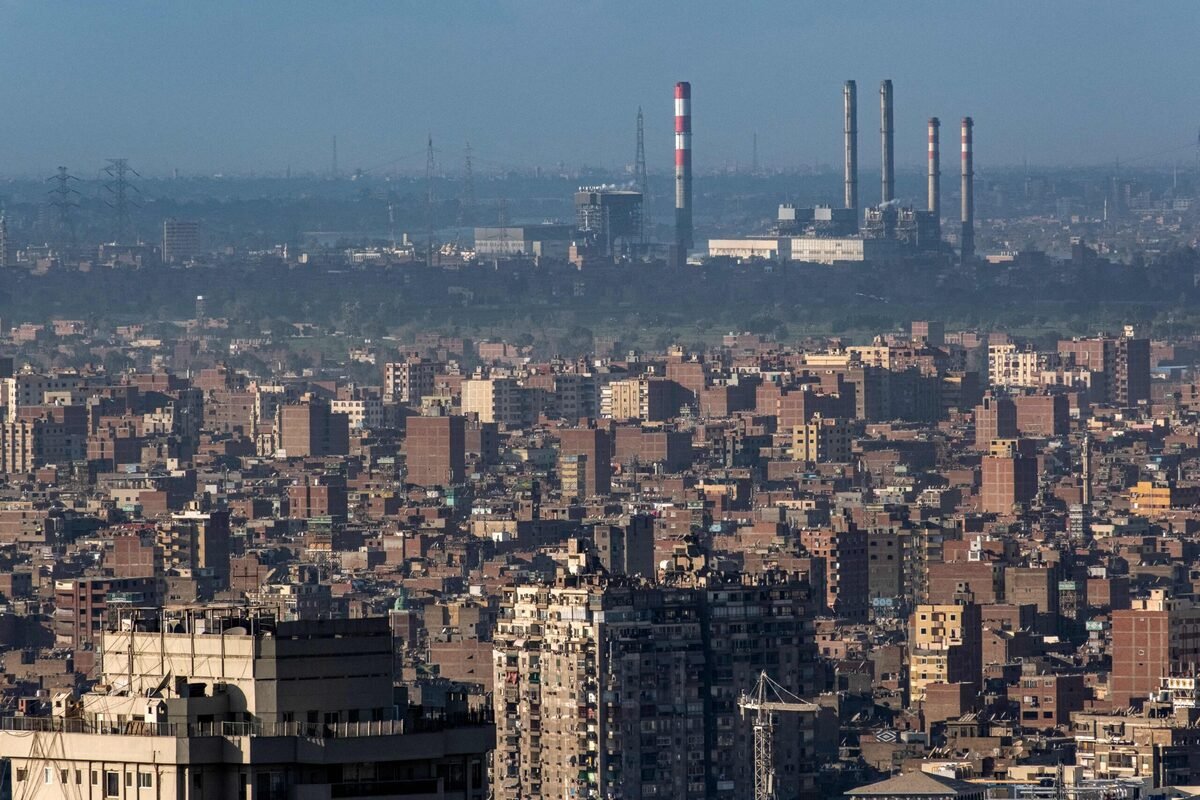

![Natural gas power station in Cairo, Egypt. [AMIR MAKAR/AFP/Getty Images]](https://www.middleeastmonitor.com/wp-content/uploads/2026/08/GettyImages-1241717497-scaled-1.jpg)
Egypt faces an unusual paradox. A country that once presented itself as the gas hub of the Eastern Mediterranean now depends increasingly on liquefied natural gas imports to fuel its power stations and supply its industries. Yet Cairo continues to derive part of its regional influence from energy infrastructure, geography and transit networks. At first glance, this may appear to signal the decline of Egypt’s energy power. The reality is more complex. Egypt is moving from a model in which power was based primarily on resource ownership to one in which infrastructure, routes and strategic points of connection matter increasingly. The central question is whether Egypt can continue exporting energy influence while importing more LNG. From self-sufficiency to renewed imports […]

