

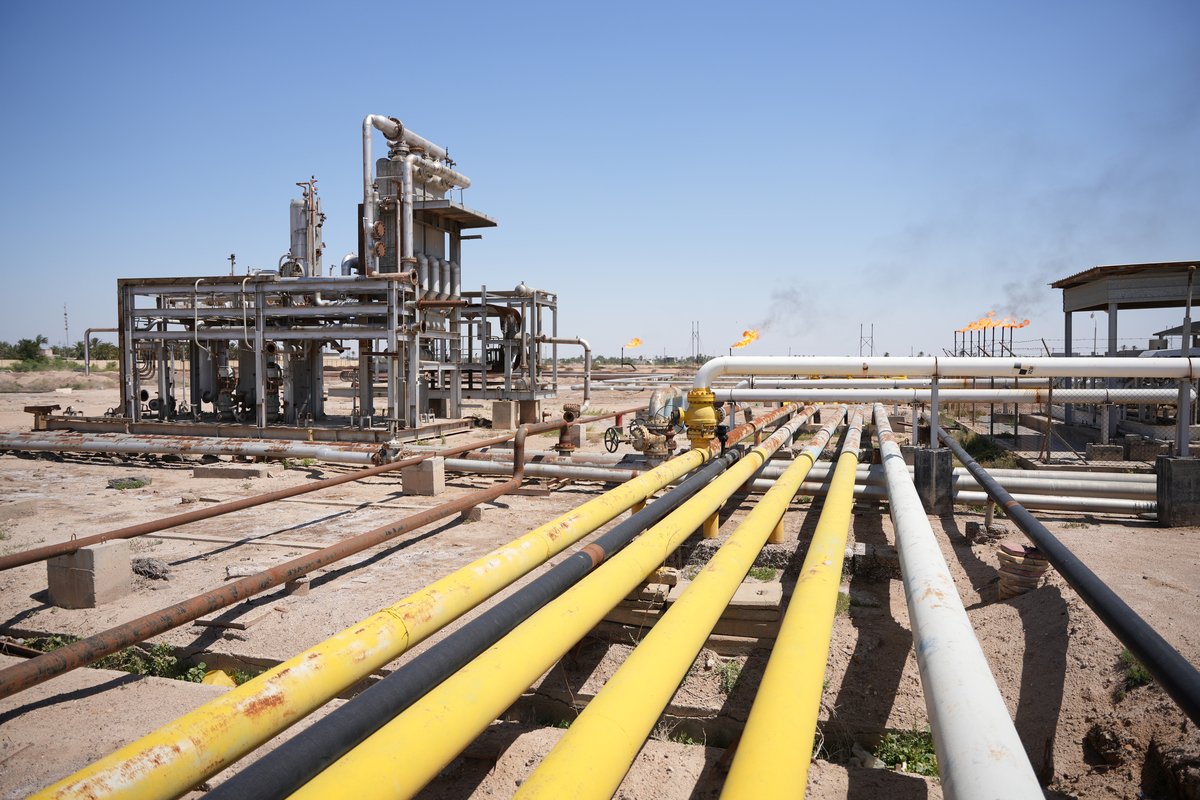

Holding roughly 145 billion barrels of proved crude reserves, Iraq ranks among the world’s major petroleum powers, yet its electricity system still comes under severe strain each summer. In 2024, available peak supply stood at about 25 GW, against roughly 48 GW needed to meet summer peak demand, according to the US Energy Information Administration (EIA). The mismatch reflects less a shortage of energy resources than decades of weak gas capture, inefficient generation and exceptionally high transmission and distribution losses. Oil rich, power poor The weakness begins inside the grid. The International Energy Agency estimates Iraq’s transmission and distribution losses at around 50–60 per cent, among the highest in the world. Ageing infrastructure explains part of the problem, but technical […]
