

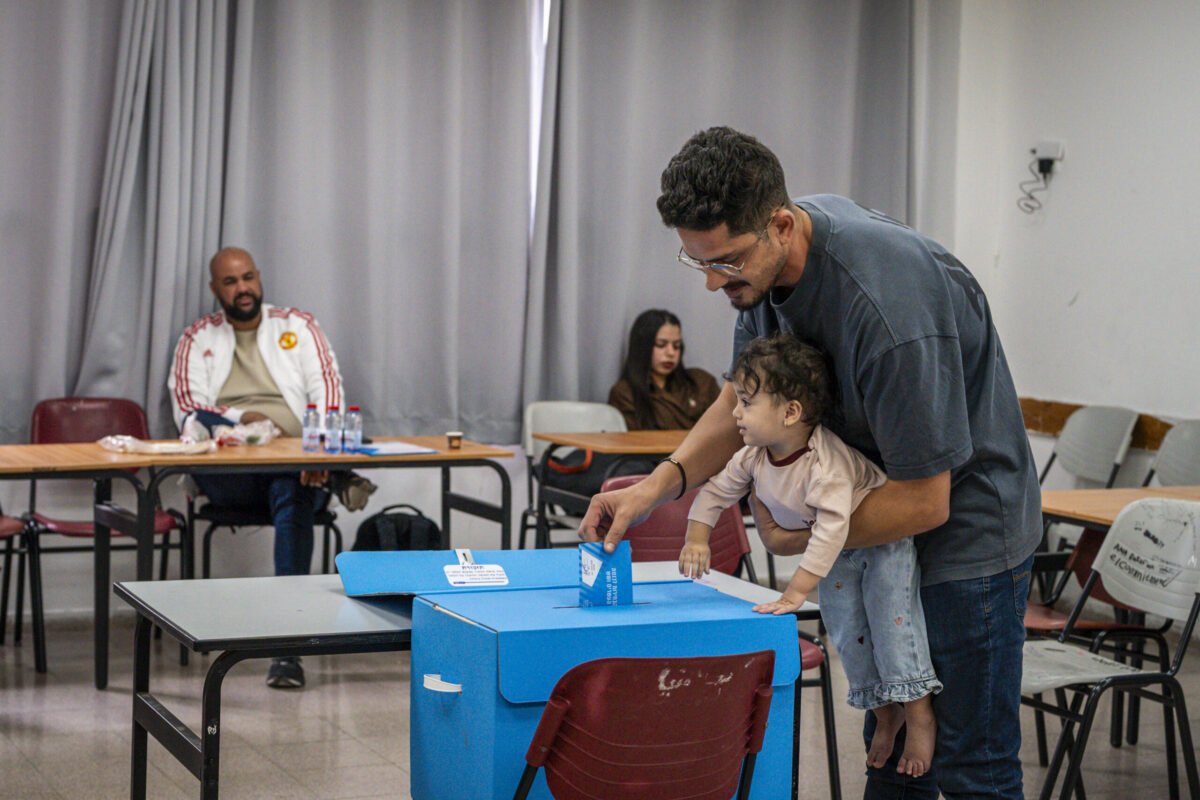
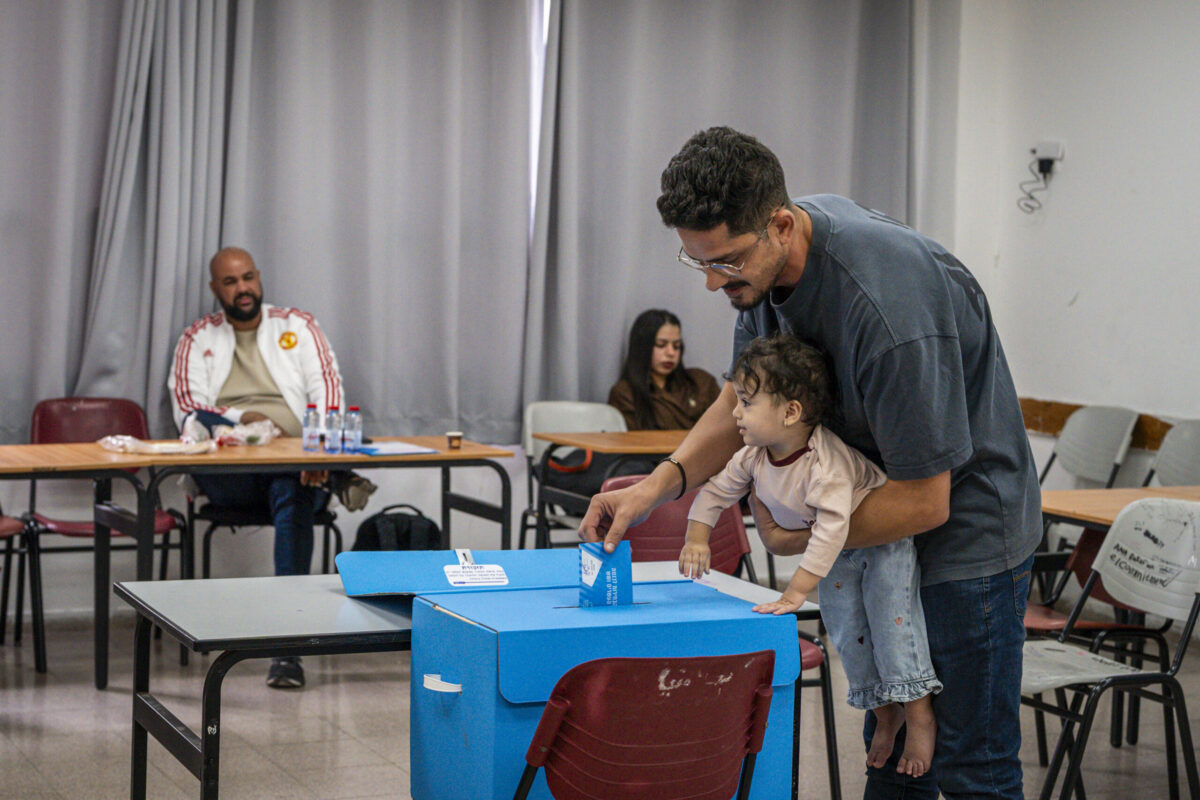
Israel has finished counting the votes, but its political leaders now face a more difficult question: will they accept the political power of the Palestinian citizens who cast them? The election on 27 October produced no clear winner. Prime Minister Benjamin Netanyahu’s bloc holds 53 seats, while the opposition bloc led by former army chief Gadi Eisenkot has 48. The two Arab parties, the Joint List and the United Arab List (Ra’am), won a record 19 seats between them. Neither Jewish-led bloc has the 61 seats needed for a majority in the 120-seat Knesset. Netanyahu has survived another difficult election, but Palestinian citizens of Israel have changed the political equation. This is where the real test of Israeli democracy begins. […]
